
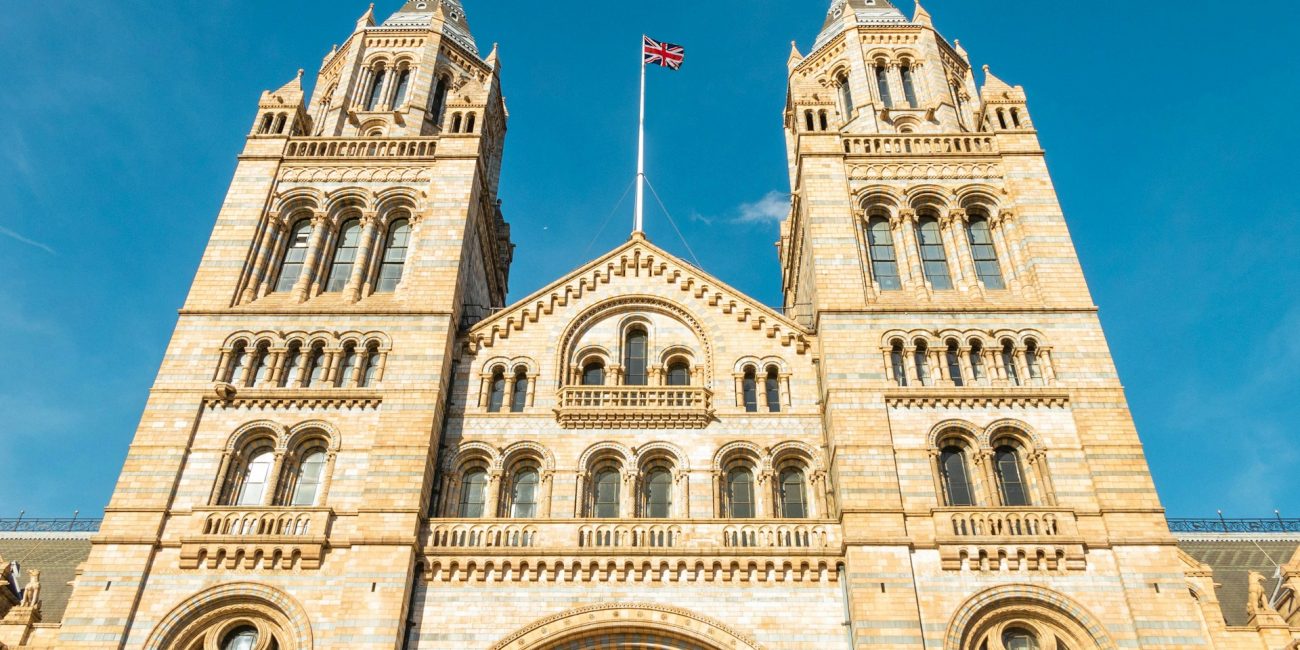
The UK health system is the system through which healthcare is provided across the United Kingdom. A major part of it is the National Health Service (NHS), which provides publicly funded healthcare. Scams are also associated with the UK healthcare system: criminals may impersonate the NHS, doctors, pharmacies, or government health services and ask for money, bank details, passwords, or personal information. Legitimate NHS services generally do not unexpectedly ask you to pay by gift card, cryptocurrency, or unusual payment methods. Be especially careful with fake NHS refund messages, vaccination messages, prescription offers, and calls claiming that your NHS number has been suspended.
What is the UK health system?
The UK consists of four countries, and healthcare is administered separately in each:
- England — NHS England and local NHS organisations
- Scotland — NHS Scotland
- Wales — NHS Wales
- Northern Ireland — Health and Social Care (HSC)
Although they share the NHS concept, there are differences in how healthcare is organised, funded, and delivered in each country.
The National Health Service (NHS)
The NHS is the UK’s publicly funded healthcare system. It was established in 1948 with the principle that healthcare should be available based primarily on medical need rather than someone’s ability to pay.
Healthcare is mainly funded through general taxation and government funding.
For many NHS services, patients do not pay the full cost when they receive treatment. However, not every healthcare service is completely free.
What services does the NHS provide?
The NHS provides a wide range of services, including:
- GP services
- General doctors provide initial medical assessment.
- They can diagnose common illnesses and manage ongoing conditions.
- They can refer patients to specialists when necessary.
- Hospital treatment
- Hospitals provide emergency and specialist treatment.
- This includes surgery, inpatient care, diagnostic tests, and specialist consultations.
- Emergency care
- Emergency departments treat serious injuries and illnesses.
- Ambulance services provide emergency transportation and medical assistance.
- Maternity care
- Pregnancy, childbirth, and postnatal care are provided through NHS maternity services.
- Mental health services
- The NHS provides different levels of mental health support, including specialist treatment.
- Community healthcare
- Nurses, physiotherapists, occupational therapists, and other professionals can provide care outside hospitals.
- Pharmacy services
- Community pharmacies provide medicines and advice.
- Prescription charges vary depending on the UK country and individual circumstances.
Is NHS healthcare free?
The NHS is often described as free at the point of use, but this does not mean that every healthcare-related service is free.
For example, depending on where someone lives and their circumstances, charges can apply to:
- Some prescription medicines
- Dental treatment
- Eye tests and glasses
- Certain NHS services
- Some treatments for people who are not ordinarily entitled to NHS care
The exact rules differ between England, Scotland, Wales, and Northern Ireland.
How do you access healthcare?
For ordinary healthcare, people commonly start with a GP (General Practitioner). The GP can assess the problem and either treat it or refer the patient to another healthcare professional or specialist.
For urgent but non-life-threatening problems, people can use appropriate urgent-care services.
For a life-threatening emergency, people should contact the emergency services.
NHS vs private healthcare
The UK has both public and private healthcare.
NHS healthcare:
- Mainly publicly funded
- Generally free at the point of use for eligible patients
- Treatment is organised through NHS services
- Patients may have to wait for some non-emergency treatments
Private healthcare:
- Patients or private insurance generally pay for treatment
- It can offer greater choice in some circumstances
- Waiting times may be shorter for certain procedures
- It operates alongside, rather than replacing, the NHS
Many people use the NHS without having private health insurance.
How is the UK health system funded?
The NHS receives government funding. Much of this ultimately comes from taxation.
The government allocates funding to healthcare organisations, which use it to provide services such as hospitals, primary care, medicines, community services, and emergency care.
The NHS therefore operates differently from a system where patients normally receive a bill for the entire cost of their treatment.
Who works in the UK health system?
The healthcare workforce includes:
- Doctors
- Nurses
- Midwives
- Pharmacists
- Dentists
- Physiotherapists
- Radiographers
- Paramedics
- Psychologists and other mental-health professionals
- Healthcare assistants
- Administrative and support staff
The NHS is one of the UK’s largest employers.
Common NHS scams
Scammers may use the NHS name because people generally trust it. Common warning signs include:
- A message claiming your NHS number has been suspended
- A fake NHS message asking you to confirm personal details
- A fake NHS refund notification
- Someone claiming you must pay immediately for a supposed NHS service
- Fake vaccination or appointment messages containing suspicious payment links
- Calls asking for your bank password, PIN, or one-time security code
- Websites pretending to be official NHS services
Never give your bank PIN, online-banking password, or security codes to someone simply because they claim to represent the NHS. If a message seems suspicious, verify the service independently rather than using the contact details contained in the suspicious message.
In simple terms
The UK health system is a combination of publicly funded NHS healthcare and private healthcare. The NHS is the main public healthcare provider and aims to provide treatment according to medical need. Healthcare is administered separately in England, Scotland, Wales, and Northern Ireland, so rules and charges can differ between them.

What is industrial technology?
What is the most popular fashion brand in the UK?

No Comment! Be the first one.