
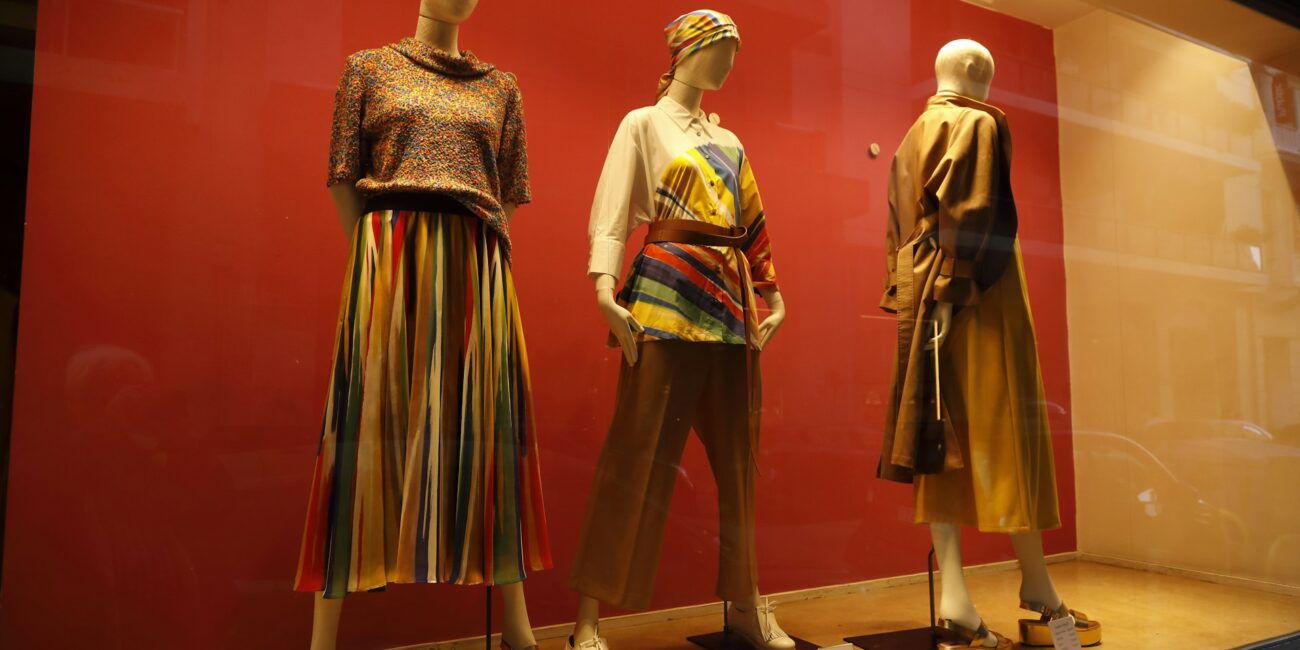
AI is revolutionizing fashion design in numerous innovative ways, transforming creativity, efficiency, and personalization within the industry. Here are some detailed ways AI is being used in fashion design:
- Trend Prediction and Analysis:
- AI algorithms analyze vast amounts of data from social media, fashion shows, e-commerce platforms, and search engines to identify emerging trends.
- Machine learning models predict upcoming color palettes, styles, and patterns, helping designers stay ahead of the market.
- Design Assistance and Inspiration:
- AI-powered tools generate design concepts based on input parameters like style, color, and fabric preferences.
- Generative Adversarial Networks (GANs) create new clothing designs, patterns, and prints, providing fresh ideas and inspiration to designers.
- Customization and Personalization:
- AI enables personalized fashion recommendations by analyzing customer data, preferences, and purchase history.
- Virtual fitting rooms and augmented reality (AR) apps allow customers to see how designs look on them, influencing design choices to meet consumer preferences.
- Material and Fabric Innovation:
- AI models analyze fabric properties to develop new materials with desired characteristics such as sustainability, durability, or flexibility.
- This fosters innovation in eco-friendly and high-performance textiles.
- Sustainable Design Practices:
- AI helps optimize fabric usage, reduce waste, and streamline supply chains.
- Predictive analytics forecast demand more accurately, minimizing overproduction and excess inventory.
- Digital Prototyping and Virtual Sampling:
- 3D modeling and AI-driven simulation enable virtual prototypes, reducing the need for physical samples.
- Designers can swiftly iterate and modify designs digitally, saving time and resources.
- Trend Forecasting and Market Insights:
- AI tools analyze consumer behavior and purchasing patterns to forecast future demand.
- This helps brands align their collections with anticipated market needs.
- Automated Manufacturing:
- AI-driven automation in cutting, sewing, and assembly processes increases efficiency and precision.
- Custom and small-batch productions become more feasible and cost-effective.
- Enhancing Creativity:
- AI collaborates with designers as a creative partner, offering novel design options and breaking creative blocks.
- It enables experimental designs that might not have been conceived manually.
- Ethical and Inclusive Design:
- AI tools can analyze diverse body types and cultural trends to promote inclusive sizing and styles.
- This fosters more ethical and socially responsible fashion development.
In summary, AI’s integration into fashion design enhances creativity, accelerates production cycles, promotes sustainability, and enables highly personalized customer experiences. This synergy between technology and artistry is shaping the future of fashion in profound ways.
Other Articles
Previous
December 5, 2025
Is it safe to book a ticket online?

No Comment! Be the first one.