
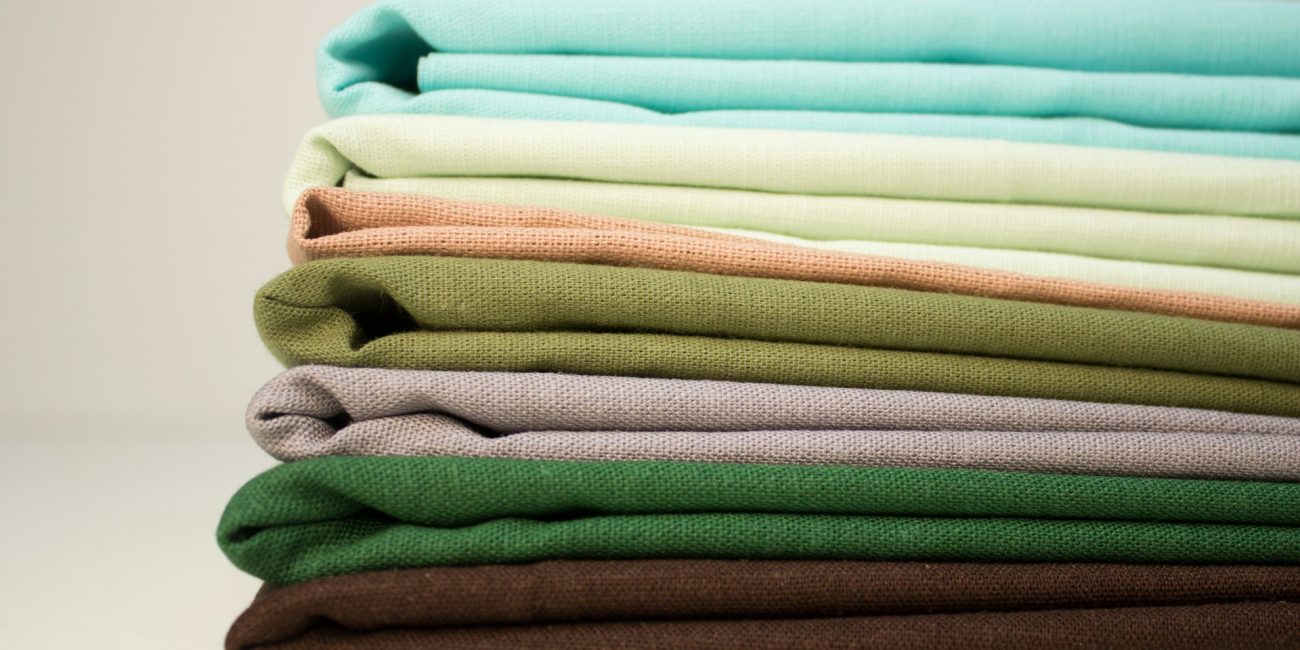
When choosing fabrics, the “best” or “worst” often depends on the intended use, personal preferences, and specific needs like climate or allergies. However, there are certain fabrics that people commonly advise staying away from due to potential drawbacks. Here’s a breakdown of fabrics to consider avoiding, and why:
For General Wear & Comfort:
Polyester (especially cheap, low-quality):
Why to avoid: It’s a synthetic fabric that doesn’t breathe well, leading to sweatiness and discomfort, especially in warm weather. It can also feel cheap and clingy. Some people experience skin irritation from polyester.
When it might be okay: High-performance activewear often uses specialized polyesters that wick moisture and offer breathability. Blends can also improve comfort.
Acrylic:
Why to avoid: Similar to polyester, acrylic is a synthetic that lacks breathability. It can feel scratchy and pilling is a common issue, making it look worn quickly. It also tends to hold onto odors.
When it might be okay: Often used as a wool substitute in cheaper knits.
Nylon (especially cheap, low-quality):
Why to avoid: Another synthetic that doesn’t breathe well. It can feel stiff and plasticky, and can generate static electricity.
When it might be okay: Durable and often used in outerwear, hosiery, and activewear for its strength and water-resistance.
Rayon (especially lower quality or poorly constructed):
Why to avoid: While derived from natural sources (wood pulp), rayon can be prone to shrinking, stretching out of shape, and wrinkling easily, especially when wet. Some types of rayon can feel flimsy.
When it might be okay: High-quality rayon (like Tencel/Lyocell, Modal) can be very soft, breathable, and drapes beautifully.
Spandex/Elastane (in very high percentages or alone):
Why to avoid: While it provides stretch and shape retention, a high percentage of spandex can make a garment feel very tight, less breathable, and prone to losing its elasticity over time, especially with heat.
When it might be okay: Blended with other fabrics in moderation (e.g., 2-5%) to add comfort and flexibility.
For Specific Concerns:
Certain Synthetics for Allergies/Sensitivities: If you have sensitive skin or allergies, synthetic fabrics like polyester, acrylic, and nylon can sometimes cause irritation or allergic reactions due to chemicals used in their production or their lack of breathability.
Alternatives: Opt for natural fibers like cotton, linen, hemp, bamboo (viscose can still be an issue for some), wool (if not sensitive to it), or silk.
Certain Materials for Environmental Reasons:
Conventional Cotton (especially non-organic): While a natural fiber, conventional cotton farming uses a lot of water, pesticides, and insecticides, which can be harmful to the environment and farmworkers.
Alternatives: Organic cotton, recycled cotton, linen, hemp, Tencel/Lyocell.
Fabrics that are difficult to care for:
Dry-clean only fabrics: Unless you don’t mind the cost and hassle of dry cleaning, fabrics that require it might be best avoided for everyday wear.
Fabrics that wrinkle easily and are hard to iron: Linen can be a prime example, though many embrace its natural crinkle.
In summary, when considering fabrics to stay away from, think about:
Breathability: Crucial for comfort, especially in warmer climates or during physical activity.
Durability & Longevity: Fabrics that pill easily, stretch out, or lose their shape quickly may not be a good investment.
Comfort & Feel: Scratchy, stiff, or clingy fabrics can be unpleasant to wear.
Care Instructions: Are you willing to dry clean or hand wash?
Environmental Impact: If this is a concern for you.
Allergies & Sensitivities: Natural fibers are often preferred for sensitive skin.
Instead of “staying away,” it’s often more about making informed choices. Look for high-quality versions of synthetic fabrics when they are designed for specific purposes (like activewear), and consider blends that combine the benefits of different fibers. For most everyday wear, natural and breathable fabrics like cotton, linen, and wool (if suitable for you) are often excellent choices.
Other Articles

How is technology used in games?
How does air affect health?

No Comment! Be the first one.