
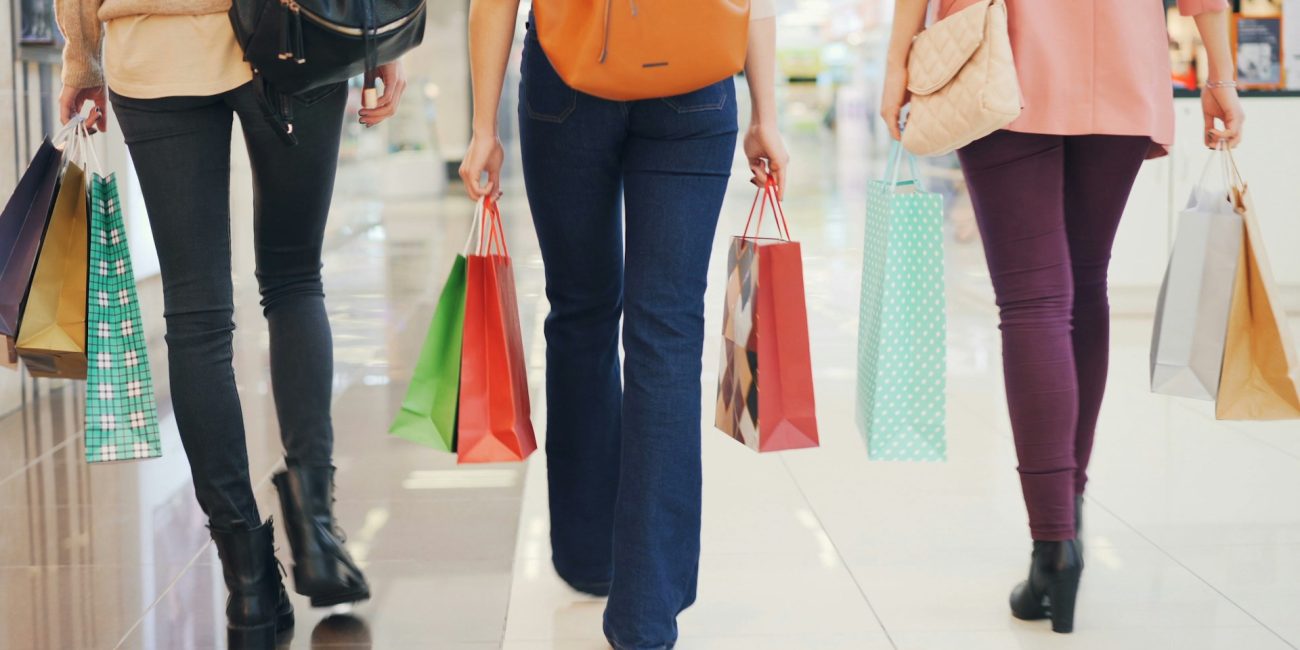
Shopping fraud is a type of fraud in which criminals deceive consumers, businesses, or both during the buying and selling of goods or services. It occurs worldwide and can happen online, in physical stores, through social media, marketplaces, phone calls, or email.
The main goal of shopping fraud is usually to steal money, personal information, payment card details, or goods through deception.
Common Types of Shopping Fraud
1. Fake Online Stores
Fraudsters create websites or social media shops that appear legitimate.
How it works:
- Customers pay for products.
- The goods are never delivered.
- The goods delivered are counterfeit or significantly different from what was advertised.
- The website disappears after collecting payments.
2. Non-Delivery Fraud
A seller advertises a product and accepts payment but never ships the item.
Examples:
- Electronics
- Clothing
- Luxury goods
- Event tickets
3. Counterfeit Goods Fraud
Fraudsters sell fake products while claiming they are genuine.
Common targets:
- Designer clothing
- Watches
- Handbags
- Medicines
- Electronics
4. Payment Card Fraud
Criminals use stolen credit or debit card information to make purchases.
Methods include:
- Card theft
- Data breaches
- Phishing attacks
- Card skimming devices
5. Refund Fraud
Fraudsters manipulate a retailer’s return process to obtain money or products unfairly.
Examples:
- Returning stolen merchandise
- Returning counterfeit items as genuine products
- Claiming a package never arrived when it actually did
6. Auction and Marketplace Fraud
Occurs on online marketplaces and auction platforms.
Examples:
- Seller receives payment but never ships goods.
- Buyer uses stolen payment information.
- Fake listings for products that do not exist.
7. Social Media Shopping Fraud
Fraudsters advertise attractive deals through social media platforms.
Warning signs:
- Extremely low prices
- New accounts with little history
- Pressure to pay quickly
- Requests for direct bank transfers
8. Triangulation Fraud
A sophisticated fraud scheme involving three parties:
- A customer purchases an item from a fraudulent seller.
- The fraudster uses stolen card details to buy the item from a legitimate retailer.
- The retailer ships the item to the customer.
Initially the customer receives the product, but later investigations may reveal the transaction involved stolen payment credentials.
9. Identity-Based Shopping Fraud
Criminals use stolen personal information to:
- Open store credit accounts
- Obtain financing
- Make purchases under another person’s identity
10. Gift Card Fraud
Fraudsters manipulate gift cards by:
- Stealing card numbers
- Emptying card balances
- Selling invalid or previously used gift cards
Common Warning Signs
Consumers should be cautious when they encounter:
- Prices that seem too good to be true
- Requests for payment through unusual methods
- Lack of contact information
- Poor website design or spelling errors
- No customer reviews or only suspiciously positive reviews
- Pressure to make immediate purchases
- Refusal to use secure payment methods
Impact of Shopping Fraud
On Consumers
- Financial losses
- Identity theft
- Loss of personal data
- Emotional stress
On Businesses
- Chargebacks
- Revenue losses
- Inventory losses
- Reputational damage
- Increased security costs
On Society
- Reduced trust in online commerce
- Higher prices due to fraud-related costs
- Increased law enforcement and regulatory expenses
How Shopping Fraud Is Different From a Scam
A shopping scam is usually a deceptive scheme that tricks someone into making a purchase or payment.
Shopping fraud is a broader term that includes:
- Shopping scams
- Stolen payment card use
- Identity theft for purchases
- Refund abuse
- Counterfeit product sales
- Other dishonest activities related to buying and selling
In short, shopping fraud is any intentional deception involving commercial transactions that causes financial or material loss to consumers, merchants, or financial institutions. It is one of the most common forms of consumer fraud worldwide and affects both online and offline shopping environments.
Other Articles

What are the signs of poor health?
What are Travel package fraud?
No Comment! Be the first one.