
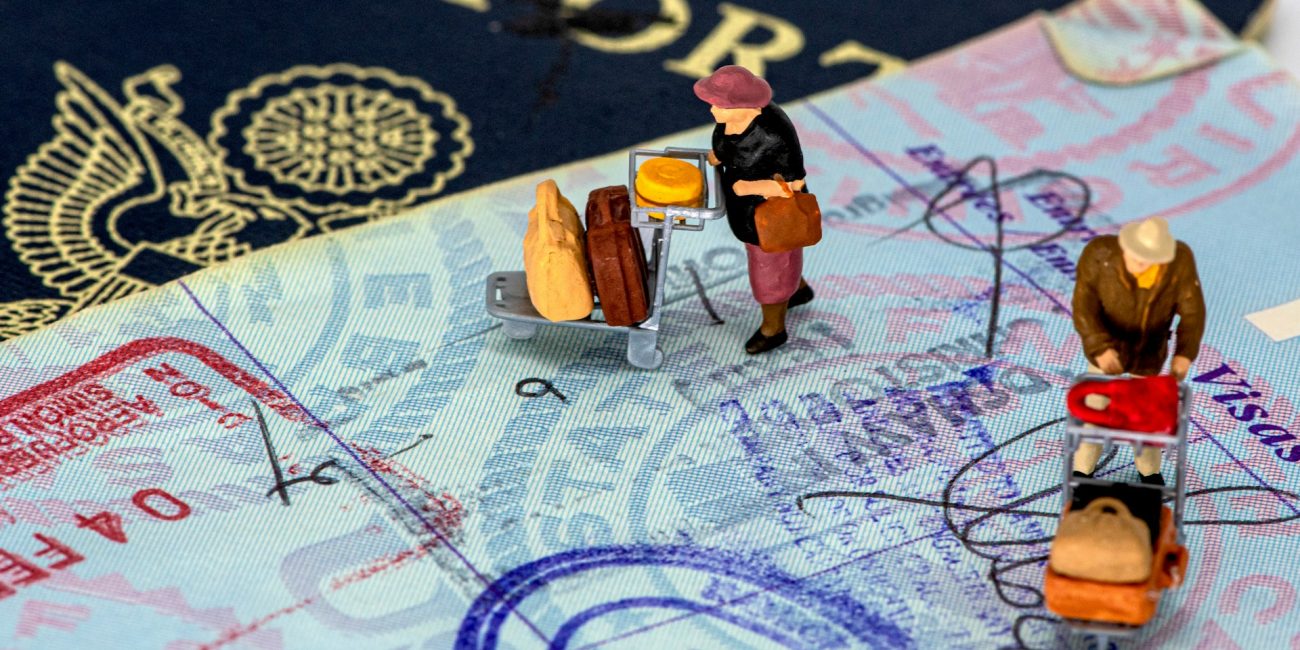
Travel package fraud is a type of scam in which criminals sell fake, misleading, or non-existent travel deals to steal money from travelers. These scams occur worldwide and can involve flights, hotels, holiday packages, cruises, tours, or vacation rentals.
Common Types of Travel Package Fraud
1. Fake Holiday Packages
Scammers advertise extremely cheap all-inclusive vacations, including flights, hotels, meals, and tours. After payment, the package either does not exist or differs significantly from what was promised.
2. Fake Travel Agencies
Fraudsters create websites, social media pages, or advertisements that appear to belong to legitimate travel companies. They collect payments and then disappear.
3. Non-Existent Accommodation
Travelers pay for hotel rooms, villas, or holiday rentals that either do not exist or are not actually available for rent.
4. Fake Airline Tickets
Scammers sell counterfeit or invalid airline tickets. Victims often discover the problem only when they attempt to check in.
5. Prize or Free Vacation Scams
Victims are told they have won a free trip but must first pay taxes, processing fees, or administrative charges. The vacation usually does not exist.
6. Timeshare and Vacation Club Fraud
Fraudsters promise discounted travel packages through timeshares or vacation clubs but fail to deliver the promised benefits.
7. Travel Booking Phishing Scams
Criminals send emails, messages, or phone calls pretending to be airlines, hotels, or travel companies to steal payment information or personal data.
8. Last-Minute Travel Deal Scams
Scammers pressure travelers to act quickly because a special offer is “about to expire,” encouraging payment before proper verification.
Warning Signs
- Prices that seem far below normal market rates.
- Requests for payment by wire transfer, cryptocurrency, or gift cards.
- Pressure to pay immediately.
- Lack of a physical business address or customer service contact.
- Poorly designed websites with spelling or grammar mistakes.
- Refusal to provide written booking confirmations.
- Reviews that appear fake or overly positive.
Consequences for Victims
- Financial loss.
- Identity theft.
- Loss of travel opportunities.
- Additional expenses for replacement bookings.
- Emotional stress and inconvenience.
How to Protect Yourself
- Research the travel company thoroughly.
- Verify bookings directly with airlines and hotels.
- Use secure payment methods such as credit cards.
- Read independent reviews from multiple sources.
- Obtain written confirmations and receipts.
- Be cautious of deals that appear too good to be true.
- Check whether the travel provider is properly licensed or accredited where applicable.
Example
A website advertises a 10-day international holiday package worth $3,000 for only $500. A traveler pays in advance through a bank transfer. After payment, the website disappears, the phone number no longer works, and no travel arrangements were ever made. This is a typical travel package fraud.
Travel package fraud is a global problem affecting travelers in many countries, especially during holiday seasons and major travel periods when people are actively searching for bargains.
Other Articles

What is shopping fraud?
How do I report internet fraud in the UK?

No Comment! Be the first one.